
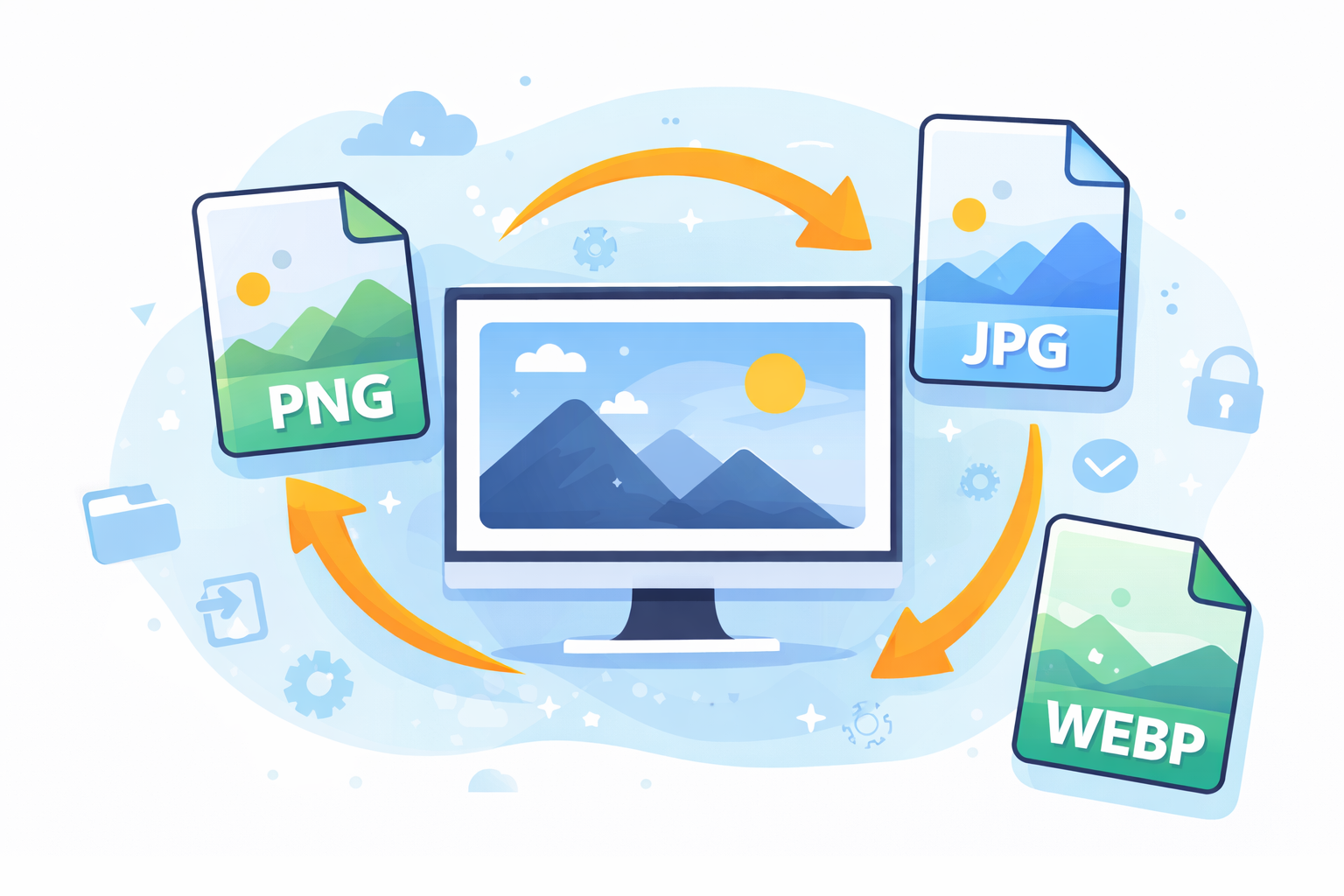
Images make up a large portion of the web. They make websites more attractive appealing, interesting, and easy to comprehend. However, images can also impact the speed of websites and their performance. That’s why numerous webmasters and developers are asking What is WEBP’s Image Format and why it is important.
It is the WEBP format for images is a new technology for images developed by Google to cut down image file size without sacrificing quality. Images that are smaller load quicker enhance user experience and aid in ranking websites better on search engines.
In the fast-paced digital world of today speed is the key to success. A slow site can turn users away and lower the SEO ranking of your site. Utilizing optimized image formats such as WEBP can dramatically increase loading speeds.
According to studies on web performance research, images may account for 50% to 80% of a website’s overall size. If these images are compressed effectively by using WEBP, websites get quicker and faster.
This guide will explain everything you must be aware of concerning WEBP images, such as how they function and their benefits, as well as comparisons with other formats, the tools to use, as well as best methods.
Introduction to Modern Image Formats
Before you can understand WEBP, it’s useful to examine the most common image formats available on the internet.
Traditional formats are:
-
JPEG (JPG) – Best for photography
-
PNG supports high-quality and transparency
-
GIF It is used mostly to create simple animations
-
SVG – Vector graphics used for logos and icons
Although these formats are effective however, they were developed several years ago, when internet speeds were slow and websites were more simple.
As websites grew more multimedia-rich as they became more media-rich, the need to use smaller, more efficient images was growing. The result was the creation of WEBP that combines the best characteristics from JPEG, PNG, and GIF and offers smaller size files.
Understanding the WEBP Image Format
This WEBP format is a sophisticated image file format that was specifically designed for use on websites. It is focused on excellent image quality and the smallest file size.
Unlike older formats, WEBP supports:
-
Both lossless and lossy compression
-
Transparency
-
Animation
-
Smaller file sizes
This creates WEBP an extremely effective formats for images available today.
History and Development of WEBP
WEBP was launched in 2010 by Google in the year 2010 in an efforts to make the internet more efficient.
Google observed it was the images that were biggest factor in the size of pages. With the development of a new compression technique it was designed to decrease the size of images while maintaining the quality of images.
WEBP is based on the technology employed in the video codec VP8 that allows for efficient compression.
Who Created WEBP and Why
Google created WEBP to help fulfill its goal of improving the performance of web pages.
The goal was simple:
-
Reduce image sizes
-
Improve page loading speeds
-
Save bandwidth
-
Improve mobile browsing
Since the use of mobile internet is at an all-time high optimization of images is now a must.
Key Features of WEBP Images
WEBP has a number of powerful features that help it stand apart from other image formats.
Lossy Compression
Lossy compression can reduce the size of files by removing image information that are less apparent to the human eye.
Benefits include:
-
Smaller file sizes
-
Speedier loading times
-
Good visual quality
WEBP lossy images are typically 25 to 35 percent smaller than JPEG images..
Lossless Compression
Lossless compression retains the original image data, and reduces file size.
This is perfect for:
-
Logos
-
Graphics
-
Screenshots
-
UX elements
The lossless WEBP images are approximately 26 percent smaller than PNG images..
Transparency Support
Transparency is essential in design elements such as overlays or logos.
WEBP allows transparency in alpha as does PNG, however with smaller size files.
Animation Capabilities
WEBP can also handle animations, and replace GIF files.
Images animated by WEBP offer:
-
Smaller sizes
-
Better color quality
-
Increased compression
Many websites are replacing GIF animations with WEBP.
How WEBP Works
WEBP can reduce file sizes by using sophisticated compression methods.
Compression Technology Explained
The format makes use of advanced algorithms for prediction and data storage to cut down on the amount of redundant information that images contain.
Predictive Encoding
Predictive encoding is based on analyzing nearby pixels and forecasting their value.
Instead of storing every pixels separately, WEBP stores differences between pixels and reduces data size.
Block-Based Compression
Images are broken down into blocks every block being compressed in a separate way.
This technique improves compression efficiency while preserving the quality of the image.
WEBP vs Other Image Formats
To fully comprehend the The WEBP Format for Images and why it is important It is helpful to evaluate it against traditional formats.
WEBP vs JPEG
| Feature | WEBP | JPEG |
|---|---|---|
| Compression | Advanced | Standard |
| Transparency | Yes | No |
| File Size | Smaller | Larger |
| Animation | Yes | No |
WEBP images are usually 25-35 percent larger that JPEG images with similar quality.
WEBP vs PNG
| Feature | WEBP | PNG |
|---|---|---|
| Transparency | Yes | Yes |
| Compression | Better | Moderate |
| File Size | Smaller | Larger |
For the majority of graphics, WEBP has the same quality but smaller sizes.
WEBP vs GIF
GIF is no longer suitable for animation.
WEBP provides:
-
More compression
-
Higher color depth
-
Smaller animation sizes
Benefits of Using WEBP
Utilizing WEBP images offers a variety of advantages for webmasters.
Faster Website Loading
Smaller images mean pages load faster.
This is improved:
-
User experience
-
Rate of bounce
-
Mobile performance
Better SEO Performance
Google believes that web page performance as a key ranking factor.
By reducing image size WEBP can improve the performance of websites and improves search engine rankings.
You can learn more about page speed optimization from Google’s Web Performance Guide:
https://web.dev/fast/
Reduced Bandwidth Usage
Smaller images use lesser data. This is beneficial:
-
Mobile users
-
High-traffic sites
-
Hosting expenses
When You Should Use WEBP
WEBP is a great choice for the majority of modern websites, particularly where performance is important.
Utilize WEBP to:
-
Blog images
-
Product images
-
Pages for landing
-
Mobile-optimized websites
However, certain scenarios may require older formats, like compatibility with older software.
Common Mistakes When Using WEBP
Many webmasters commit mistakes when they implement WEBP images.
to unlocking the secrets of human behavior are some of the most popular examples:
1. Not Providing Fallback Images
Older browsers may not work with WEBP.
Be sure to use fallback formats, such as JPEG as well as PNG.
2. Over-Compressing Images
Too much compression can reduce visual quality.
Always keep in mind size of the file and clarity.
3. Not Using Responsive Images
Make use of different sizes to accommodate various screen resolutions.
This enhances performance even further.
4. Ignoring Image Metadata
The removal of unnecessary metadata can also reduce the size of your file.
Best Tools to Convert Images to WEBP
Converting images into WEBP is simple with the latest tools.
Online Converters
Some of the most popular choices are:
-
CloudConvert
-
Squoosh
-
Convertio
These tools permit quick conversions without the need to install software.
WordPress Plugins
To use on WordPress web pages, plug-ins are able to automatically create WEBP images.
Popular plugins include:
-
ShortPixel
-
Imagify
-
Smush
These plugins optimize images during upload.
Desktop Tools
The majority of developers use desktop software for:
-
Photoshop (WEBP plugin)
-
GIMP
-
XnConvert
These tools give you a greater control over the compression settings.
How WEBP Impacts Website SEO
Images directly affect the performance of websites and SEO.
WEBP improves:
-
Page loading speed
-
Core Web Vitals
-
Mobile performance
Google prefers websites that load fast so WEBP is an important technique for optimizing your site.
Browser Compatibility
Modern browsers are now able to are able to support WEBP.
Browsers that are supported include:
-
Google Chrome
-
Microsoft Edge
-
Firefox
-
Safari
-
Opera
Global compatibility has reached more than 95 95% which makes WEBP secure for most websites.
Best Practices for Using WEBP Images
To reap the maximum benefits from WEBP, adhere to these best methods:
-
Make sure to use images that are responsive.
-
Implement lazy loading
-
Optimize image dimensions
-
Use fallback formats
-
Check image quality prior to publishing
Combining these strategies can dramatically increase the performance of websites.
FAQs About WEBP Image Format
1. How do I use the WEBP image format? What is it used for?
WEBP can be used to create smaller images which load faster on web pages while preserving the highest quality.
2. Is WEBP superior to JPEG?
Absolutely, WEBP generally produces lower files with comparable or higher image quality to JPEG.
3. Does WEBP be used to replace the PNG?
In many instances there is a it is. WEBP is transparent and frequently produces smaller files than PNG.
4. Do all browsers are compatible with WEBP?
The majority of modern browsers are compatible with WEBP However, very old browsers may not.
5. Does WEBP enhance SEO?
Yes. Speedier loading images boost speed on the web, which aids in the search engine’s rankings.
6. Do I have the ability to convert images into WEBP?
Yes. Many plugins and tools allow the automatic conversion of images WEBP.
Conclusion
Knowing the the WEBP image format and why it is important is vital to anyone running an online presence that is modern.
WEBP has many advantages over other formats, such as:
-
Smaller image sizes
-
Faster loading pages
-
Increased SEO performance
-
Utilization of bandwidth is reduced
With more internet users demanding speedy web pages that are responsive, making sure images look good is more crucial than ever before.
Through the use of WEBP and following the best guidelines, webmasters can build more efficient, faster websites that offer more value to users while increasing search engine rankings.